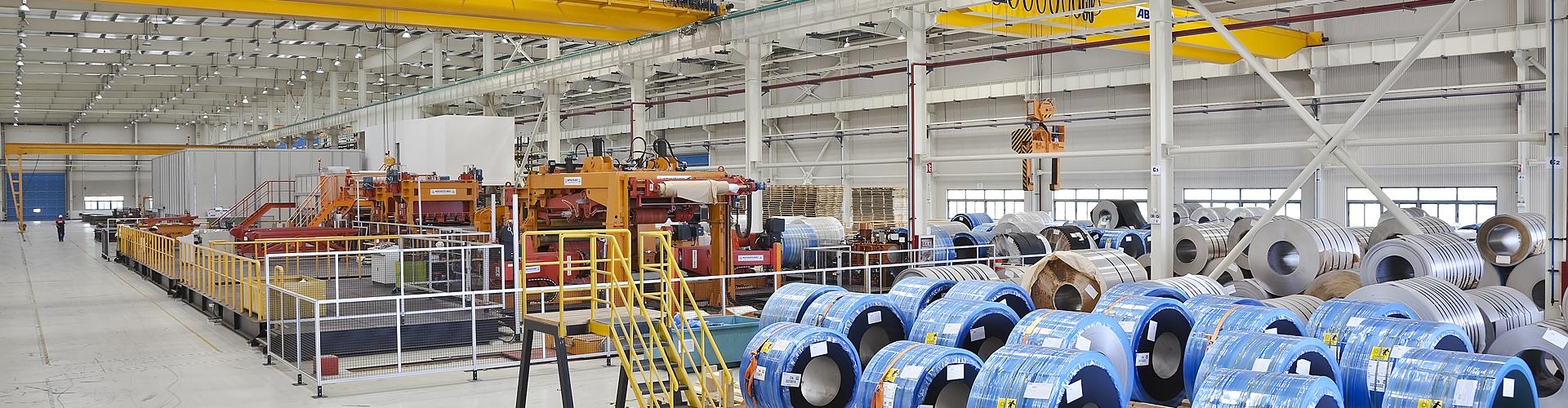
Hastelloy B Corrosion Resistant Alloy Product Introduction
Hastelloy B is a nickel-based alloy known for its exceptional resistance to a wide range of corrosive environments, particularly in reducing conditions. This article provides a comprehensive overview of Hastelloy B, covering its chemical composition, mechanical properties, performance characteristics at different temperatures, industry applications, available shapes and sizes, production standards, welding and processing capabilities, as well as advantages, disadvantages, and comparisons with similar products.
化學成分
元素
作品 (%)
鎳 (Ni)
65.0 分鐘
鉬(Mo)
26.0 – 30.0
鐵 (Fe)
最大2.0
鉻 (Cr)
最大1.0
碳(C)
0最大.01
錳(Mn)
最大1.0
矽(Si)
0最大.10
磷(P)
0最大.04
硫(S)
0最大.03
機械性質
財產
價值
拉伸強度,ksi (MPa)
110(760)分鐘
屈服強度(0.2% 偏移),ksi (MPa)
51(350)分鐘
伸長率(2 英吋中的%)
40分鐘
硬度,洛氏 B (HRB)
最大 88
不同溫度下的性能
Hastelloy B exhibits robust performance across varying temperature ranges:
室內溫度:Excellent resistance to reducing acids like sulfuric, hydrochloric, and phosphoric acids.
高溫(高達 1000°F / 538°C): 在腐蝕性化學環境中保持高強度和耐腐蝕性。
低溫:Retains toughness and ductility, suitable for cryogenic applications requiring reliability in harsh conditions.
產業應用
Hastelloy B finds extensive use in several critical industries:
工業部門
應用領域
化學加工
Reactor vessels, heat exchangers, and piping systems handling corrosive acids.
石油化工
Equipment for processing sulfuric acid, acetic acid, and other aggressive chemicals.
製藥
Pharmaceutical processing equipment requiring resistance to acidic environments.
紙漿和造紙
Bleach plant equipment, digesters, and other corrosive environment applications in paper production.
形狀、尺寸和生產標準
產品形態
可用形狀
可供選擇的尺寸
生產標準
床單
板材、片材
厚度:0.025 英吋 – 4.000 英吋(0.64 毫米 – 101.6 毫米)
ASTM B333
酒吧
圓棒、六角棒
直徑:0.25吋 – 4.0吋(6.35毫米 – 101.6毫米)
ASTM B335
管材/管道
無縫管、焊管
外徑:0.5吋 – 8.0吋(12.7毫米 – 203.2毫米)
ASTM B619、ASTM B622
標準及對應等級
國家/地區
標準/等級
美國
UNS N10665
歐洲
2.4617
德國
鎳鉬28
法國
鎳鉬28
焊接、加工、拋光、熱處理
過程
細節
焊接
Excellent weldability using TIG, MIG methods, ensuring strong joints in corrosive environments.
加工
Machinable using standard methods, offering flexibility in manufacturing processes.
拋光
Achieves smooth finishes for enhanced resistance to corrosion and ease of cleaning.
熱處理
Solution annealing at 1950°F (1065°C) followed by rapid quenching optimizes material properties.
冷加工的優點和缺點
方面
細節
冷加工
Maintains ductility and formability at room temperature, facilitating shaping and fabrication.
優點
Superior corrosion resistance in reducing acids, high mechanical strength, and reliability in severe environments.
缺點
Higher initial cost compared to standard stainless steels, potential limitations in availability of certain shapes and sizes.
類似產品
產品名稱
比較
哈氏合金 C-276 (UNS N10276)
Higher molybdenum content, broader chemical resistance including oxidizing and reducing environments.
Hastelloy B-3 (UNS N10675)
Enhanced thermal stability, superior resistance to hydrochloric acid and other strong acids, extended service life in aggressive chemical environments.
同類產品比較
屬性/特徵
哈氏合金B
哈氏合金C-276
哈氏合金B-3
鎳含量(%)
65.0 分鐘
57.0
65.0
鉬含量(%)
26.0 – 30.0
16.0
28.0
鉻含量(%)
最大1.0
16.0
1.5
拉伸強度 (ksi)
110 分鐘
100分鐘
110 分鐘
屈服強度 (ksi)
51 分鐘
40分鐘
40分鐘
耐腐蝕性能
Excellent in reducing acids, withstands sulfuric, hydrochloric, and phosphoric acids.
Wide range of corrosive environments, including oxidizing and reducing conditions.
Exceptional resistance to strong acids like hydrochloric acid, sulfuric acid, and other harsh chemicals.
This article provides a comprehensive introduction to Hastelloy B, detailing its chemical composition, mechanical properties, performance across temperatures, industry applications, available shapes and sizes, production standards, welding and processing capabilities, as well as advantages, disadvantages, and comparisons with similar alloys. The structured format with tables ensures clarity and accessibility of technical information for engineers, manufacturers, and professionals in industries requiring corrosion-resistant materials.